))
))
His Life
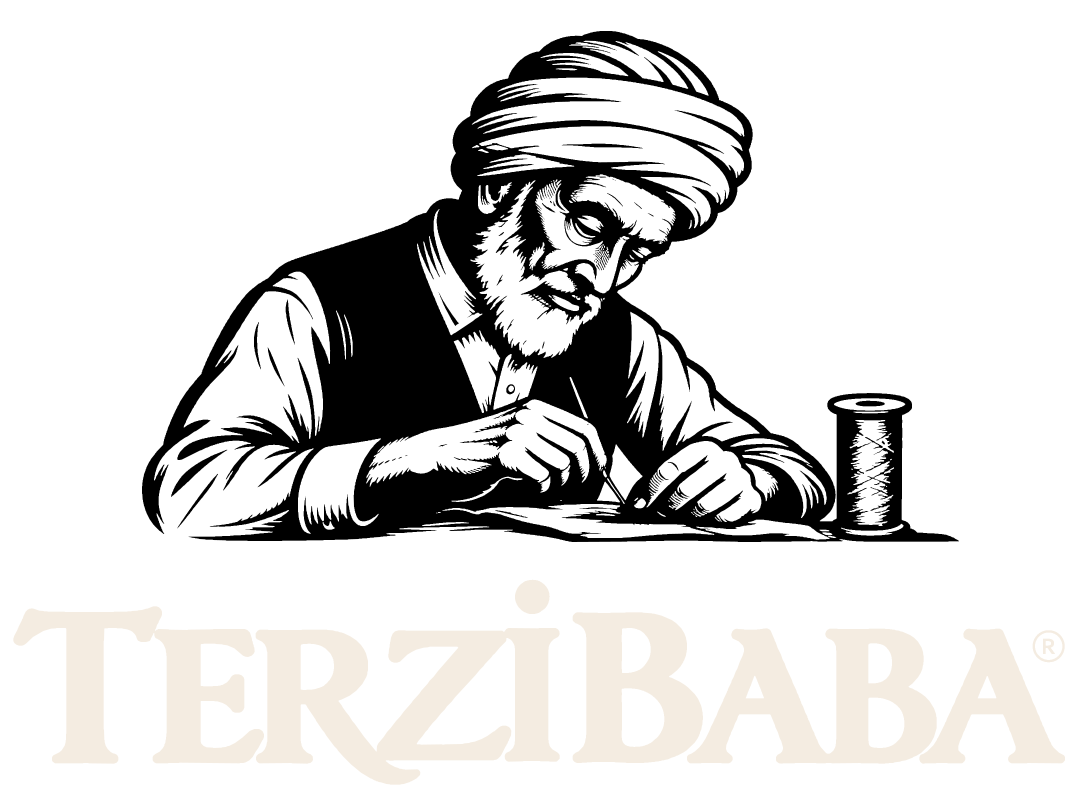
Terzibaba, one of Anatolia's prominent Sufi figures, was born in the late 18th century. His given name was Muhammed Vehbi, and he became known among the people as “Terzibaba” and “Hayyât Vehbi” because of his profession as a tailor.
From an early age, Terzibaba showed a keen interest in religious studies and Sufism, learning the craft of tailoring during his youth. Known for his detachment from worldly possessions, humility, and generosity, he remained devoted to worship even while practicing his profession. According to tradition, he invoked the name of Allah with every stitch he made, seamlessly integrating his faith into his daily work.
The Sufi Path
A significant turning point in his life was his meeting with Sheikh Abdullah Makkî Efendi, one of the spiritual successors of Mawlana Khalid al-Baghdadi. Under his guidance, Terzibaba advanced along the Sufi path, eventually becoming a spiritual guide within the Naqshbandi-Khalidi tradition and mentoring numerous disciples. Over time, his spiritual influence extended beyond Erzincan to the surrounding regions of Erzurum, Gümüşhane, Bayburt, and Sivas.
A Well-Known Account
A well-known account reflecting Terzibaba's compassion and generosity tells of an occasion when an old, dirty coat was brought to him after other tailors had refused to repair it. Terzibaba first cleaned the coat, then carefully mended it and returned it to its owner without accepting any payment. This act of kindness has been passed down through generations as a touching example of his compassion, humility, and sincere care for others.
Disciples and Work
Among his notable disciples were Hafız Rüştü Efendi, Mustafa Fehmi Efendi, and Leblebici Baba. His work “Kenzü'l-Fütûh”, which explores religious and Sufi teachings, was later rendered into verse by Rüştü Efendi under the title “Miftâh-ı Kenz”.
Legacy
Hazrat Terzibaba passed away in Erzincan in 1848, leaving behind a profound spiritual legacy. Today, his resting place is located within Terzibaba Cemetery in Erzincan, which bears his name, and his tomb continues to be visited.
Remembered for his humility, compassion, and lifelong dedication to serving others, Terzibaba's legacy remains an enduring part of Erzincan's cultural and spiritual heritage.